Bodies Under Colonial Rule: Boricua Women, Eugenics, and Medical Exploitation.
Introduction
The history of Puerto Rican women, often referred to as Boricua women, is rich, resilient, and deeply complex. Yet one of the most painful chapters in this history involves the intersection of colonialism, eugenics, forced sterilization, and reproductive experimentation. Throughout the 20th century, Boricua women became targets of population control policies that stripped many of bodily autonomy under the guise of modernization, public health, and economic progress.
This history reveals not only a story of systemic control, but also one of survival, resistance, and the ongoing fight for reproductive justice.
The Eugenics Movement and Colonial Control
During the early 20th century, the global eugenics movement gained momentum, promoting the idea that human populations could be “improved” through selective reproduction and population management. In Puerto Rico, these ideas became intertwined with U.S. colonial policies after the island came under American control in 1898.
Puerto Rican women, particularly poor and working-class women, were disproportionately targeted by these policies. Government officials and public health advocates framed high birth rates as an obstacle to economic development and modernization. Rather than addressing poverty through structural reform, population reduction became a central focus.
As industrialization expanded across the island through programs such as Operation Bootstrap, Boricua women were increasingly pushed into factory labor and wage work. Eugenics-based population control policies were promoted alongside economic restructuring in an effort to increase workforce participation among women while limiting family size. Women’s reproductive lives became heavily regulated in the name of economic productivity and social engineering.
La Operación: Forced Sterilization in Puerto Rico
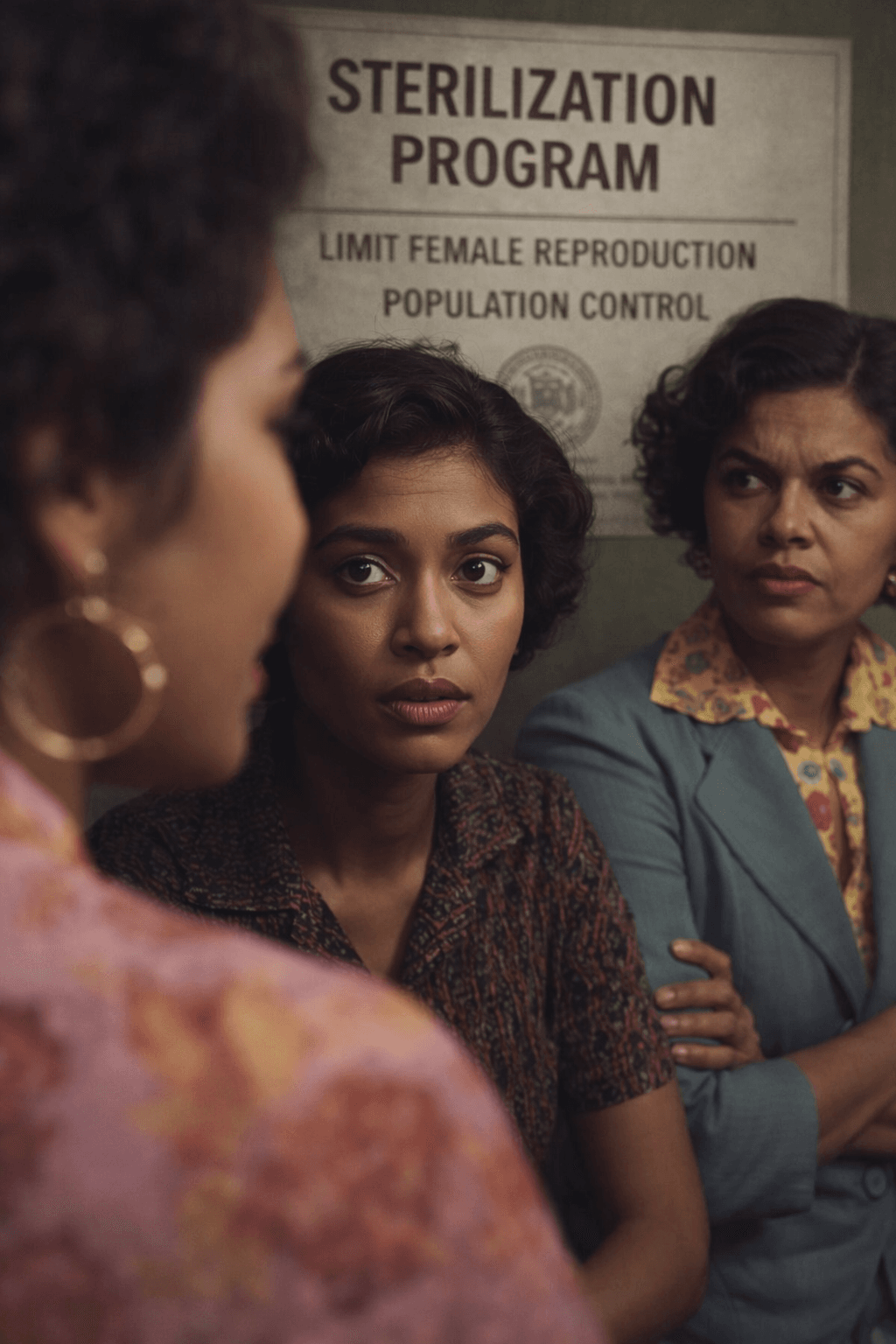
One of the most devastating outcomes of these policies became known as La Operación the widespread sterilization of Puerto Rican women throughout the mid-20th century. Sterilization was often promoted as a simple and responsible form of birth control, yet many women were not fully informed that the procedure was permanent.
By the 1960s and 1970s, an estimated one-third of Puerto Rican women of childbearing age had undergone sterilization, making Puerto Rico one of the highest sterilization rates in the world at the time. Many women reported feeling pressured into the procedure after childbirth or being misled about alternative contraceptive options.
The normalization of sterilization reflected broader colonial attitudes that viewed Puerto Rican fertility as a social problem rather than recognizing women’s rights to informed consent and bodily autonomy.
Birth Control Trials on Boricua Women
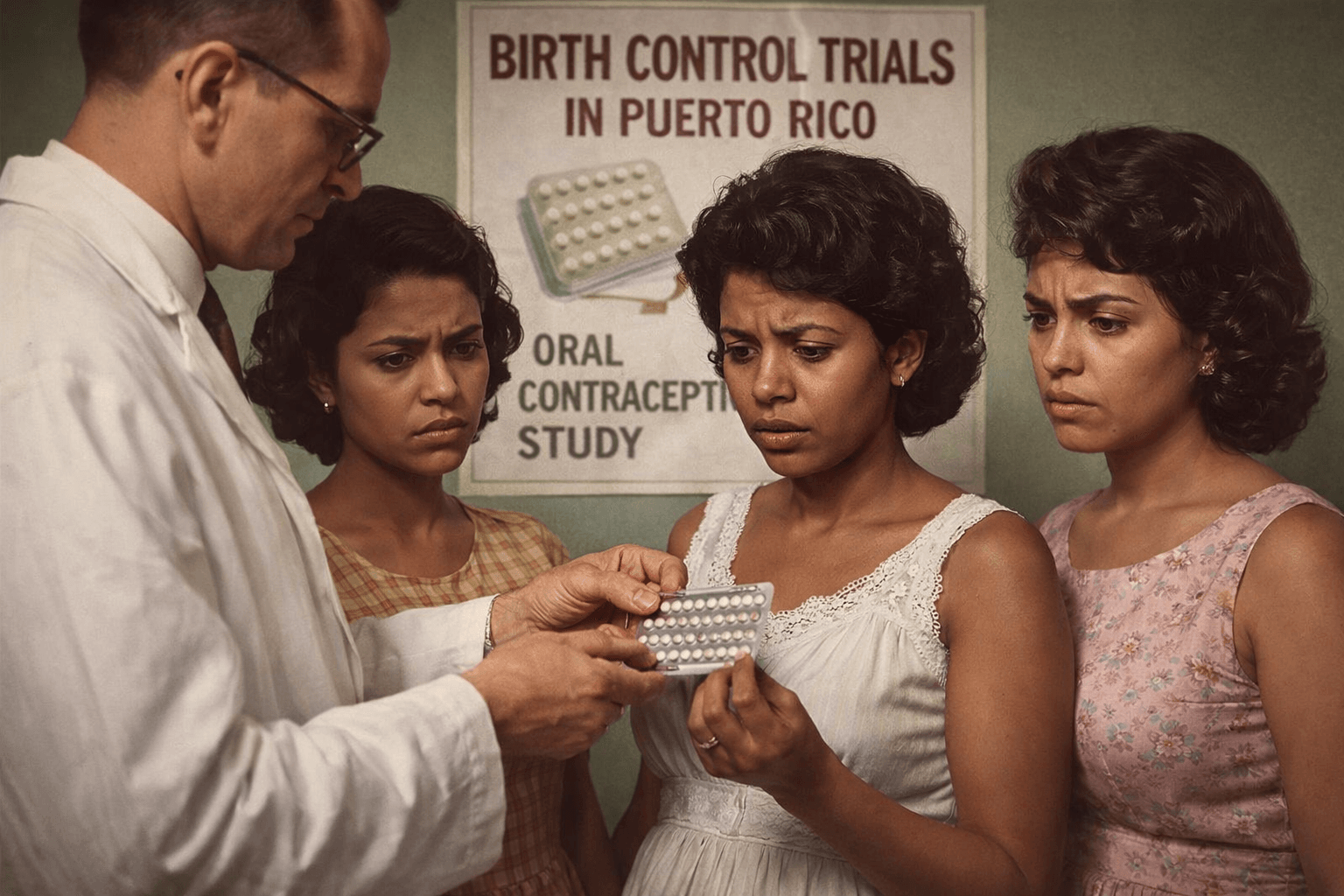
Puerto Rico also became a testing ground for early birth control pill trials during the 1950s. Due to loose regulations, dense population centers, and existing population control programs, poor Puerto Rican women were recruited to participate in high-dose contraceptive pill studies.
Many of the women involved in these trials were not fully informed that the medication being tested was experimental. The pills contained hormone levels significantly higher than those used today and caused serious side effects for numerous participants, including nausea, blood clots, depression, and other complications. Reports of severe adverse reactions were often dismissed or underreported.
These trials played a major role in the development and approval of the modern birth control pill, yet the experiences and suffering of Boricua women involved were largely overlooked in mainstream medical history.
Resistance and Resilience
Despite these oppressive systems, Boricua women demonstrated extraordinary resilience. Activists, scholars, healthcare advocates, and community organizers began exposing the unethical nature of forced sterilization and reproductive experimentation. Women fought to reclaim agency over their bodies and challenged the systems that had long denied them informed consent.
Grassroots organizing and reproductive justice movements helped bring international attention to these abuses. Educational efforts empowered women with knowledge about contraception, consent, and reproductive rights while advocating for ethical medical standards and accountability.
Legal and Social Reforms
The activism of Boricua women and their allies contributed to significant legal and social reforms. By the late 1970s, growing public scrutiny led to stronger informed consent policies surrounding sterilization procedures and reproductive healthcare practices.
These reforms marked an important step toward reproductive justice, though many advocates argue that the long-term impacts of colonial reproductive policies continue to affect Puerto Rican communities today.
Legacy and Lessons
The history of eugenics, birth control experimentation, and forced sterilization among Boricua women serves as a powerful reminder of how medicine, colonialism, race, gender, and economic policy can intersect in harmful ways. Affecting women's wombs for generations.
It underscores the importance of bodily autonomy, ethical healthcare, informed consent, and protecting vulnerable communities from systemic exploitation. The experiences of Boricua women continue to inform conversations surrounding reproductive justice, medical ethics, and women’s rights across the world.
Their resilience remains a testament to the enduring strength of women who refused to remain silent in the face of oppression.
Conclusion
Understanding the history of eugenics and reproductive control in Puerto Rico is essential to recognizing the injustices experienced by marginalized communities. By unveiling this history, we honor the women whose stories were silenced for generations and acknowledge the ongoing importance of reproductive justice, informed consent, and cultural healing.
The story of Boricua women is not only one of oppression but also one of survival, resistance, and the reclaiming of bodily sovereignty for future generations.