Honoring the Placenta: Indigenous Traditions and Puerto Rican Birth Practices
CS
The Significance of the Placenta in Indigenous Cultures
Across various indigenous cultures, the placenta is revered for its sacred role in childbirth. This organ, which nourishes the baby throughout pregnancy, is often considered a powerful symbol of life and connection. In many traditions, the placenta is treated with great respect and is often buried in a special ceremony to honor the life it supported.
For example, among the Maori people of New Zealand, the placenta is buried in the land to reinforce the baby's connection to their ancestral roots. This practice symbolizes the child’s lifelong bond to their heritage and the earth.
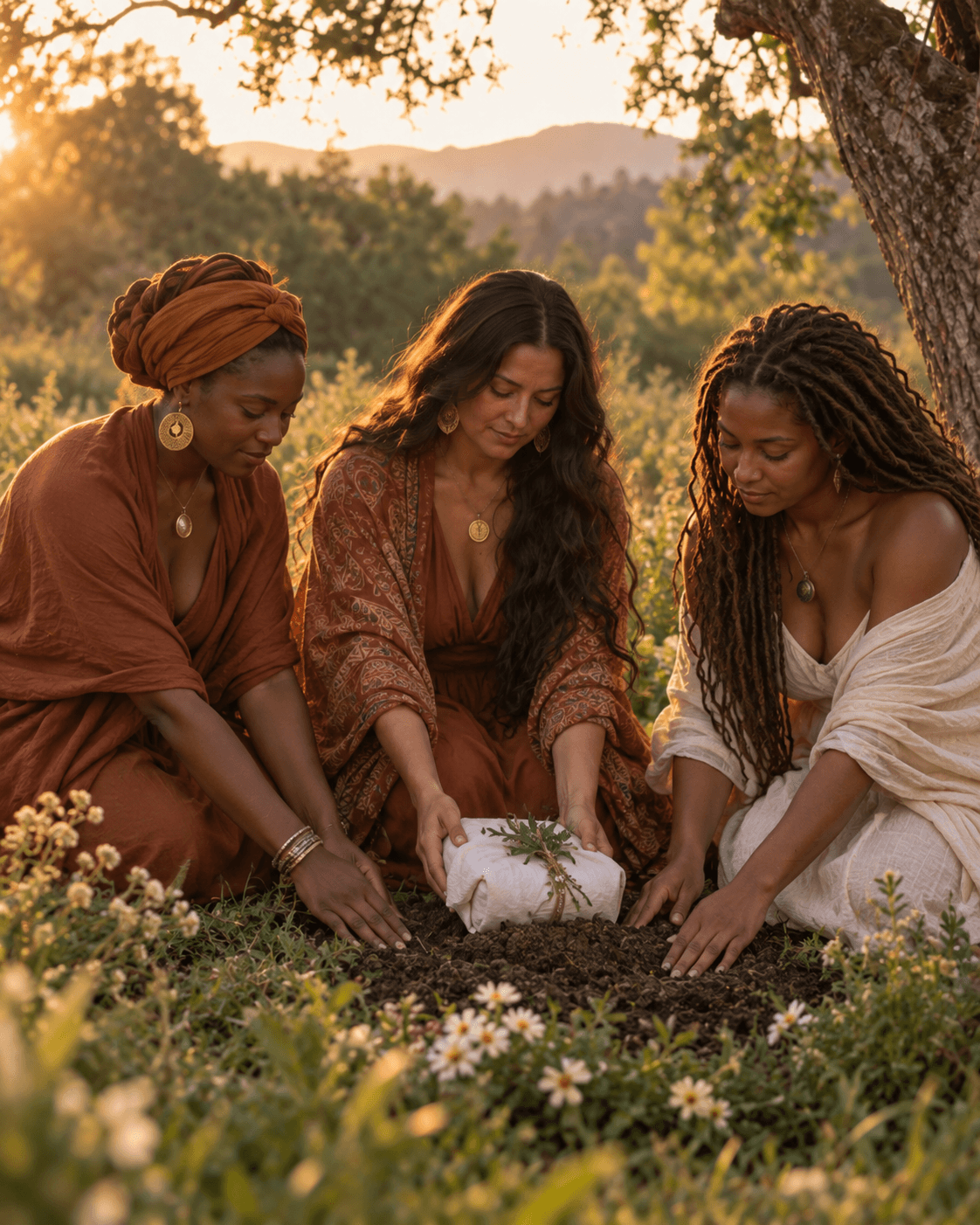
Similarly, Native American tribes such as the Navajo perform rituals where the placenta is buried with specific herbs or plants, emphasizing the spiritual and physical connection between the newborn and the natural world.
Puerto Rican Birth Practices and the Placenta
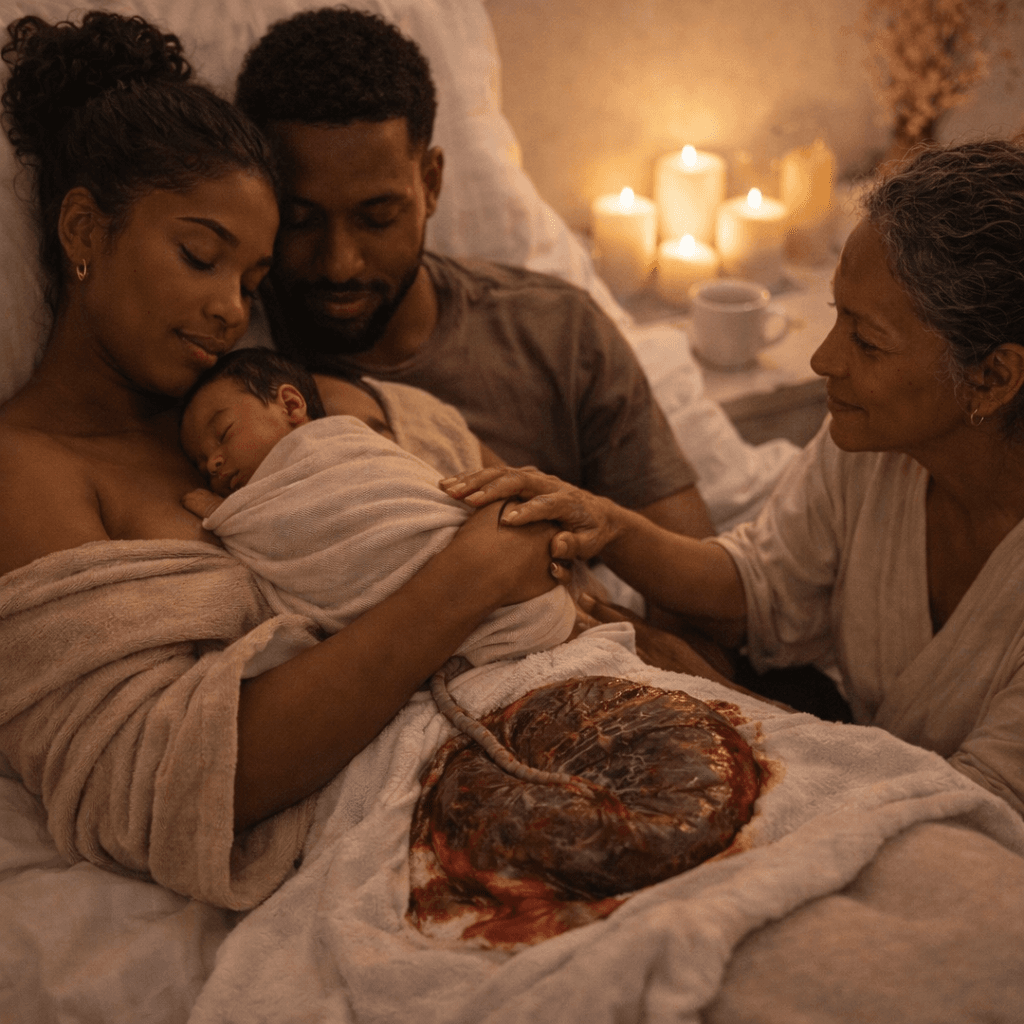
In Puerto Rico, traditional birth practices also place significant emphasis on the placenta. Known locally as “la partera,” midwives often play a central role in these practices, guiding families through culturally rich rituals that honor both the mother and the child.
Puerto Rican traditions may include the ceremonial washing of the placenta, which is believed to cleanse and purify. This is often followed by a meaningful burial or planting ceremony, where the placenta is placed in the ground, fostering a connection to the earth and future growth.
Modern Interpretations and Practices
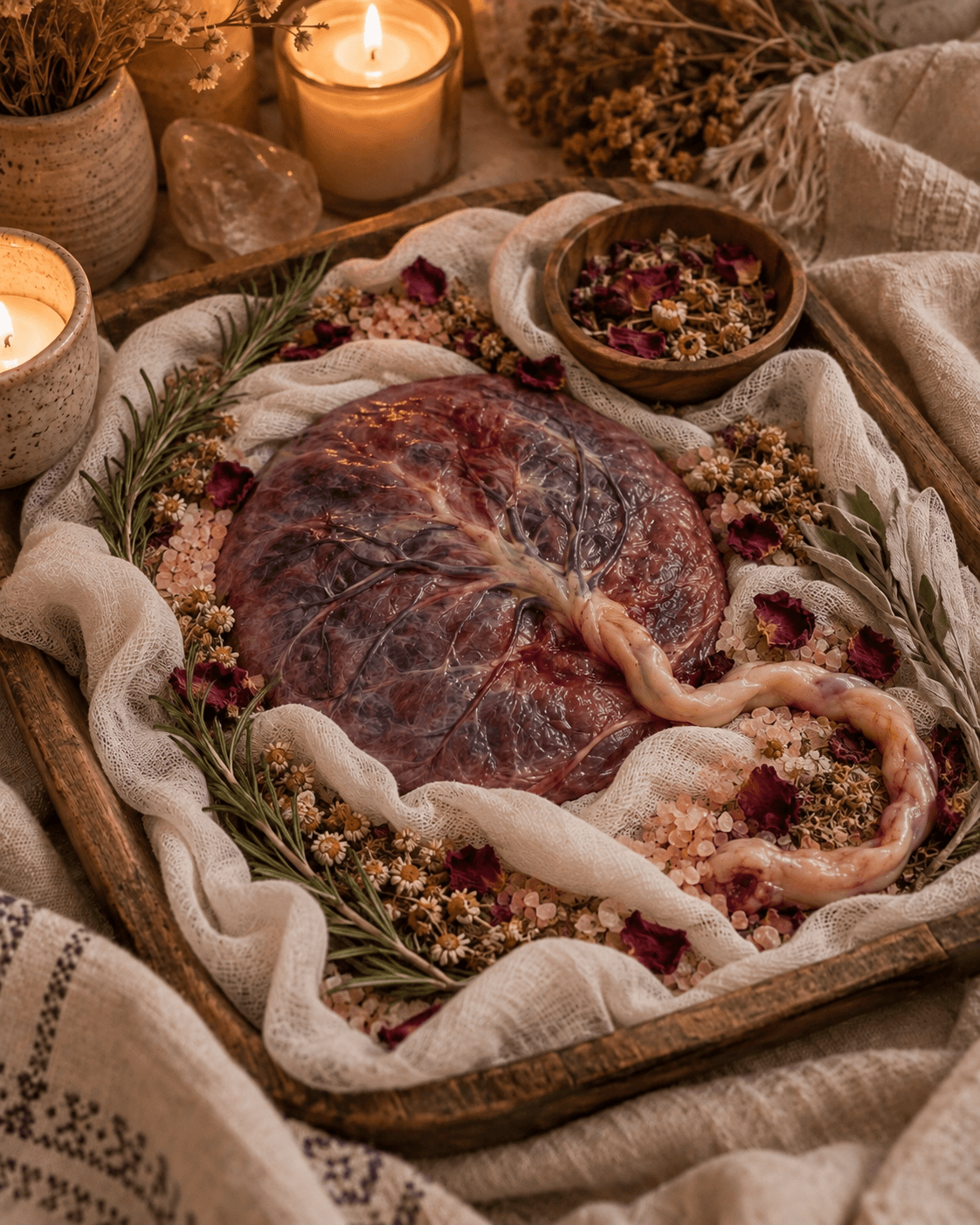
While some traditional practices continue unchanged, others have evolved to incorporate modern perspectives. Modern-day birth practices often fail to honor the placenta for what it truly is the life sustaining organ that nourished, protected, and supported a baby throughout pregnancy. In many hospital settings, once birth is complete, the placenta is treated as medical waste, discarded, sent for pathology, or sometimes used in medical research and commercial applications with consent depending on the institution. What was once regarded by many cultures as sacred, ancestral, and worthy of ceremony has been reduced to something disposable. Traditional birth practices remind us that the placenta is not simply “afterbirth” it carries meaning, history, nourishment, and a profound connection to the beginning of life.
Cultural Respect and Revitalization
As interest in natural childbirth and holistic health grows, there is a renewed appreciation for indigenous and traditional practices. Recognizing and respecting these traditions is crucial, not only for their cultural significance but also for the diverse perspectives they offer on childbirth and maternal care.
Efforts to revitalize these practices are often led by community elders and cultural advocates, who work to educate younger generations about the importance of these rituals. This revitalization helps preserve cultural identity and fosters a deeper understanding of the spiritual aspects of childbirth.
Whether through traditional burials or modern adaptations, the placenta continues to be a symbol of life and continuity. By honoring these practices, we acknowledge the rich tapestry of cultural beliefs surrounding birth and the enduring significance of the placenta in indigenous traditions.